GCSE Design and Technology (Product Design)
There are two pathways for Design Technology: Product Design and Textiles.
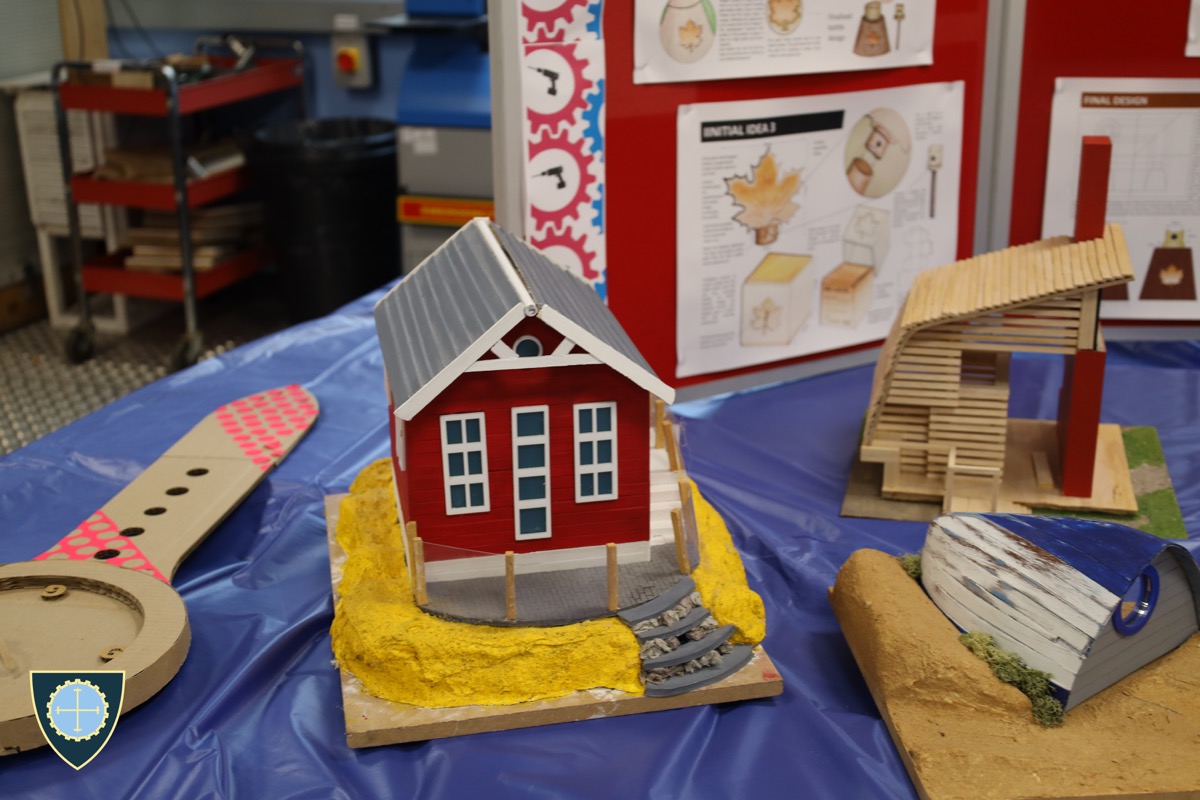
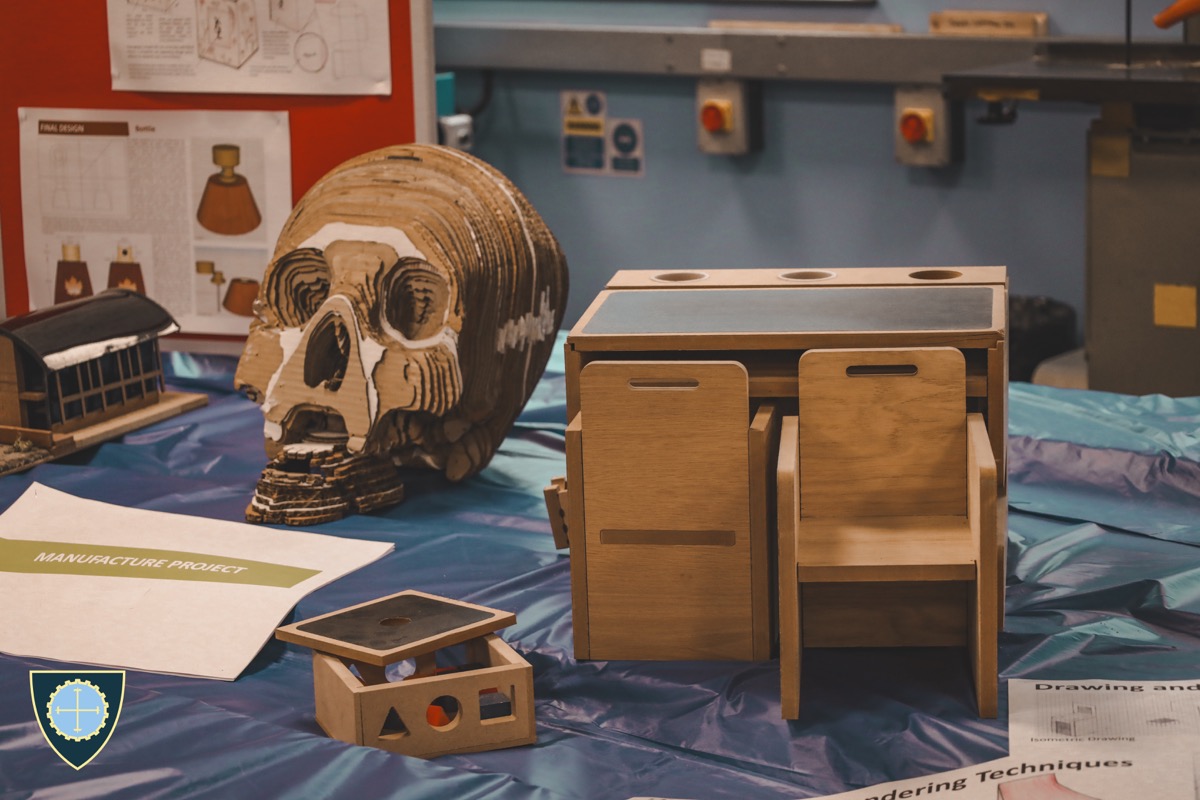
GCSE Product Design is ideal for students who wish to develop practical problem-solving and design skills. The course challenges students to think creatively while applying technical knowledge to design and create innovative products. Through the course, students learn how to manage a design project from start to finish
The course is composed of two components: a single examination paper and a single non-examined assessment (NEA) task, both of which are equally weighted (50% each).
The NEA tasks, referred to as ‘contexts,’ are established annually by the exam board. Students select a context for their NEA and must produce a portfolio of between 20 to 30 pages, which involves designing and manufacturing a prototype product. The skills developed within the course include research, designing, prototyping, and evaluating.
It is important for students to take personal responsibility for their learning to ensure the NEA is completed and they are prepared for the exam, and they must attend extracurricular clubs when asked to achieve the best score possible. Students are provided with essential resources such as revision guides, knowledge organisers, and an electronic workbook which are vital for them to utilize
The final assessment is split equally between the single exam paper and the NEA task.
Prior to the final exam, Year 11 students will have two main assessments: one in November and one in late February (dates are to be confirmed). Additionally, teachers may set shorter topic tests. Predicted grades for students are generated by adding the scores from these tests to their current progress on the NEA coursework
The skills acquired through the course, particularly those gained in research, designing, prototyping, and evaluating, are highly transferable. This qualification prepares students for potential careers in engineering, product development, or for starting their own business.
There are a number of useful DT websites:
For revision or information about the NEA BBC Bitesize: https://www.bbc.co.uk/bitesize/examspecs/zb6h92p
Specification specific information and exam materials.
A free homework resource that all students should be signed up to Seneca Learning.