GCSE Design and Technology (Textiles)
There are two pathways for Design Technology: Product Design and Textiles.
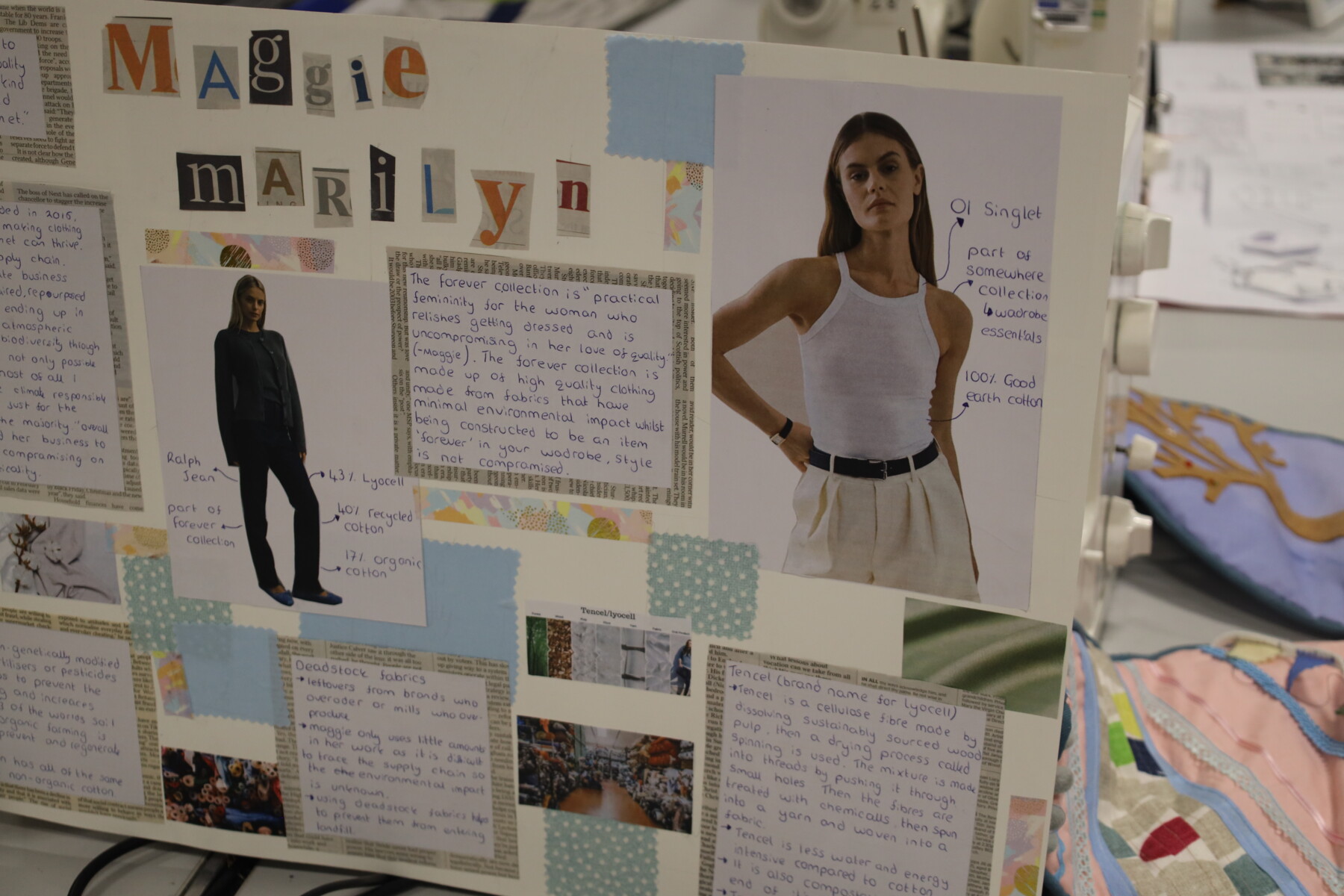
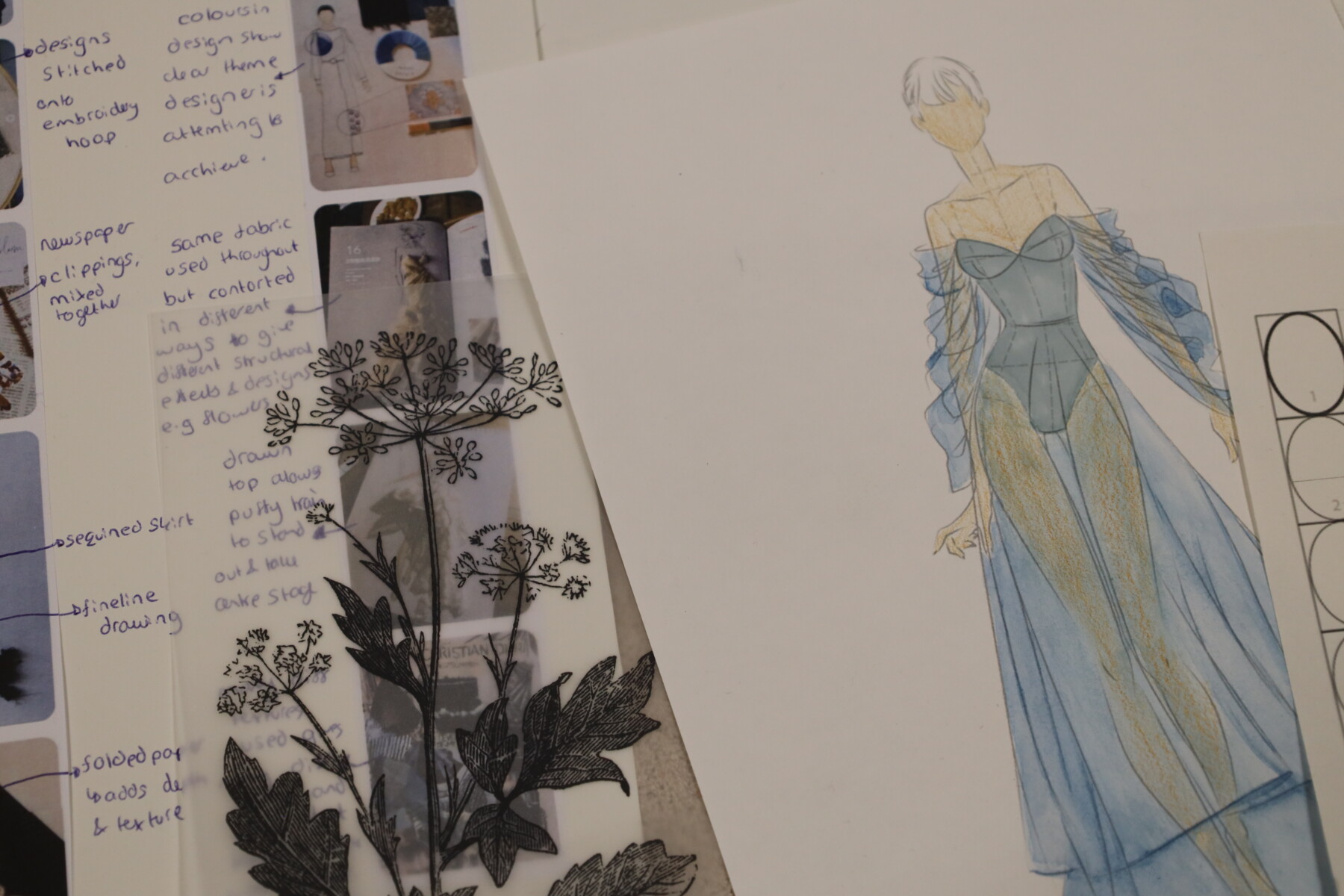
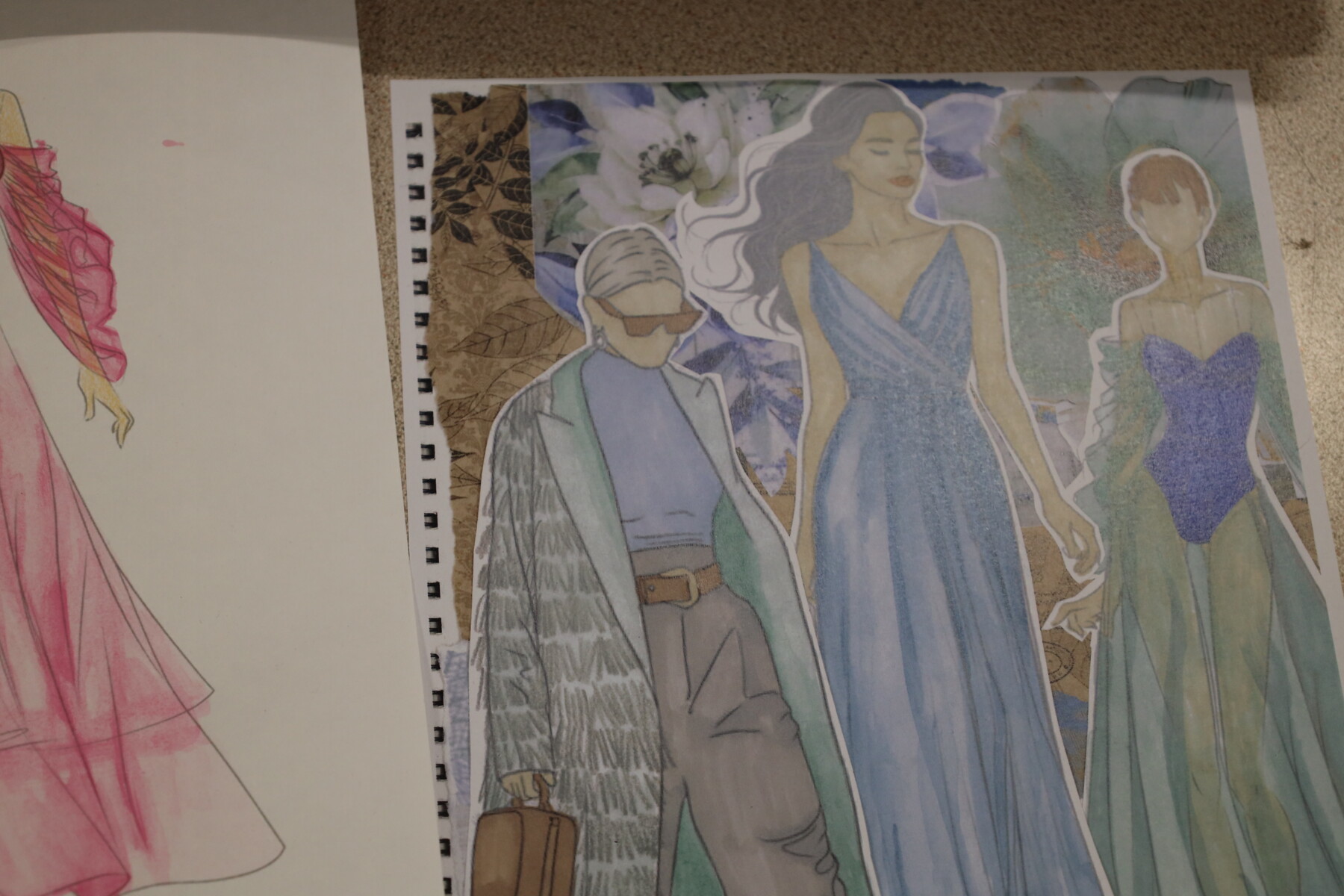
GCSE Textiles is designed to equip students with valuable design, problem-solving, and practical skills necessary for both creative and technical careers. Through this course, students develop strong abilities in designing, planning, and manufacturing, primarily by working on a portfolio and creating a prototype product. Furthermore, the coursework and examination help students gain experience in time management, research, and technical drawing, skills which are highly transferable across many industries.
The new GCSE course is structured into two components, each equally weighted at 50%: a single exam paper and a single Non-Examined Assessment (NEA) task. The NEA involves contexts set annually by the exam board, which are then used by students to produce a portfolio of between 20 and 30 pages. Within this portfolio, students are required to design and manufacture a prototype product.
The written examination paper consists of two sections. Section A (Core) accounts for 40 marks and includes a mixture of question styles, such as open-response, graphical, calculation (10 marks total), and extended-open-response questions. Section B (Material categories) accounts for 60 marks and assesses content specific to the material chosen by the students. This section also includes various question styles, including 5 marks of calculation questions.
Students are expected to take personal responsibility for their learning to ensure the NEA is completed and that they are prepared for the exam. They must utilise resources like knowledge organisers, revision guides, and an electronic workbook. Students should also attend extracurricular clubs when asked to ensure they achieve the best possible score. Prior to the formal sitting of the written exam, students will undergo two main assessments: a PPE in November and a PPE in late February, both of which will be full past GCSE papers covering all content.
Assessment is split equally between the written examination and the coursework portfolio.
• Non-exam examination assessment (NEA): This coursework portfolio makes up 50% of the qualification and is worth 100 marks. The deadline for mark submission for the NEA is March 28, 2024.
• Written examination: This is 1 hour and 45 minutes long, accounts for 50% of the qualification, and is worth 100 marks.
The written paper is further divided into Section A (40 marks) and Section B (60 marks).
GCSE Textiles provides a foundation to pursue a wide range of careers. The skills gained are valuable for success in creative and technical fields. Potential career pathways include fashion, interior design, or engineering.
The experience gained in time management, research, technical drawing, and effective idea communication is highly transferable across various industries
Useful websites for students: http://www.technologystudent.com/
Carousel Learning: Carousel | Teach smarter, learn better